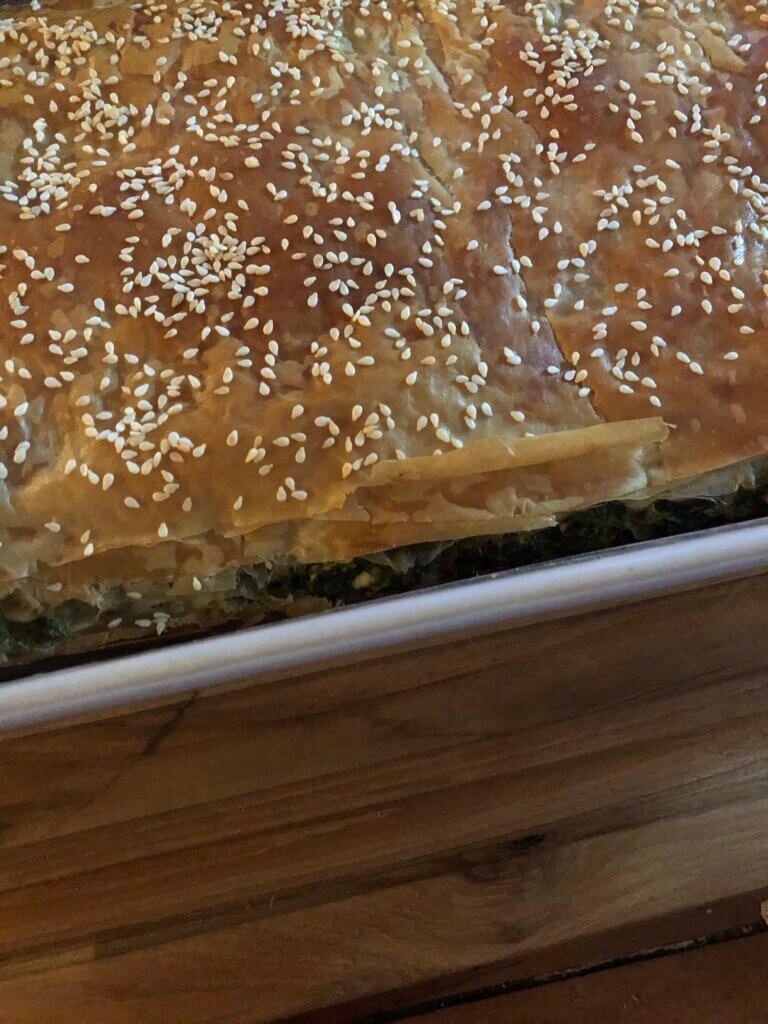
AEGEAN GREENS PIE
I now understand that God puts dreams into our minds for a reason. I never looked at it that way. I didn’t feel entitled to…


I now understand that God puts dreams into our minds for a reason. I never looked at it that way. I didn’t feel entitled to…
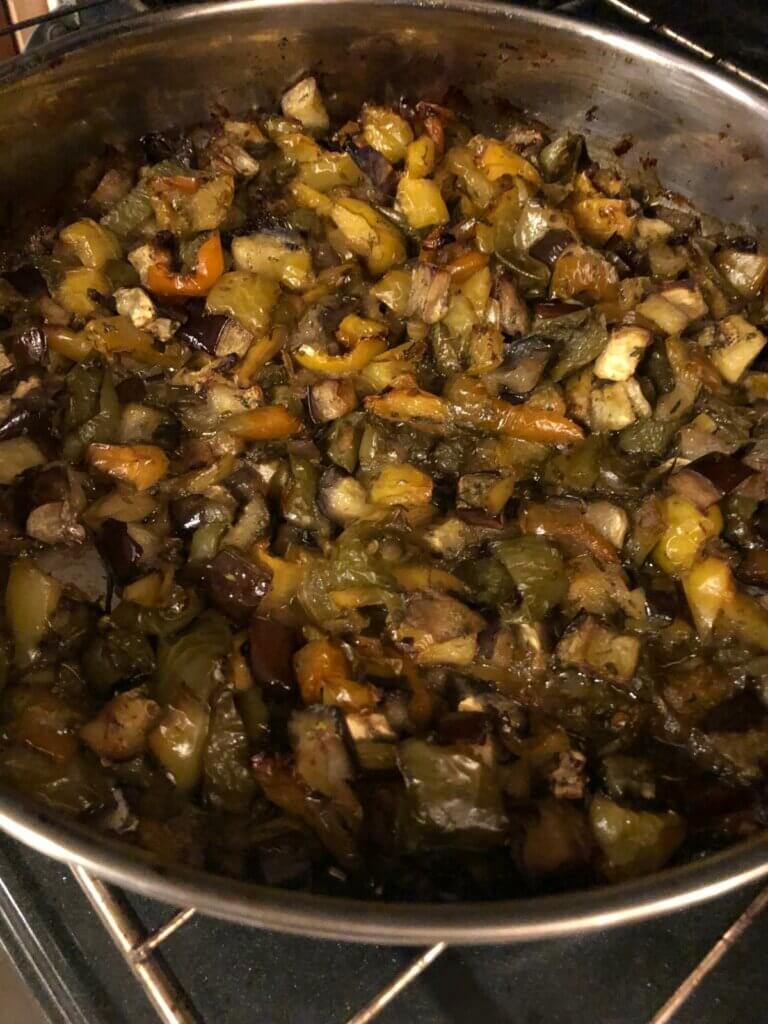
I love eggplant and I love peppers, but on a day when I’m in a huge hurry and don’t have time to fry the eggplant…
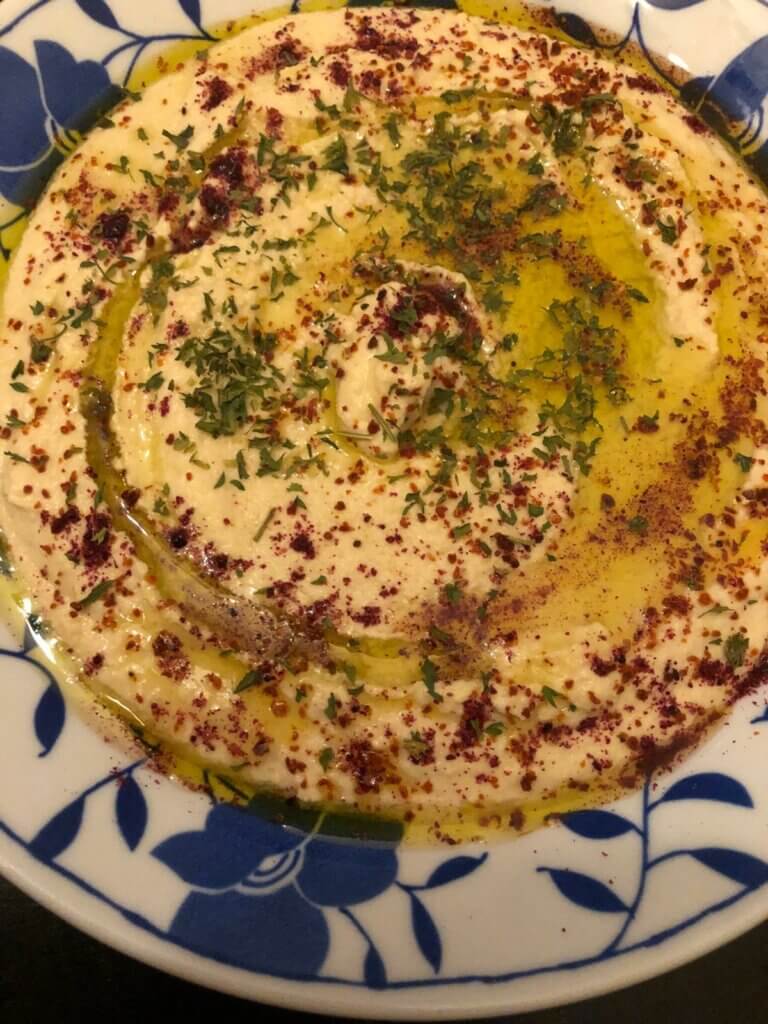
It’s only been the last couple of years since I’ve started cooking with white beans (also known as cannellini beans, great northern beans, and habichuelas blancas in Spanish). I’m…
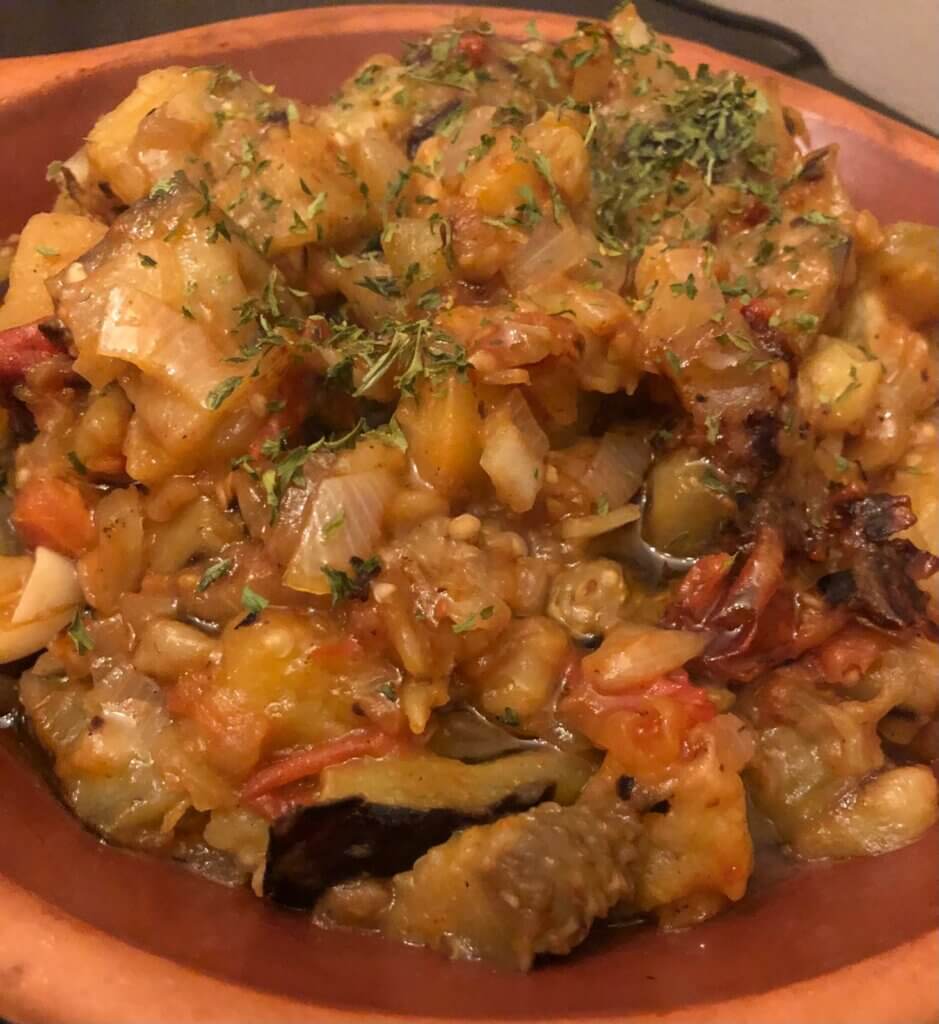
I think eggplant might just be the quintessential Mediterranean vegetable. You find it in every Mediterranean country’s cuisine in such a variety of absolutely delicious…
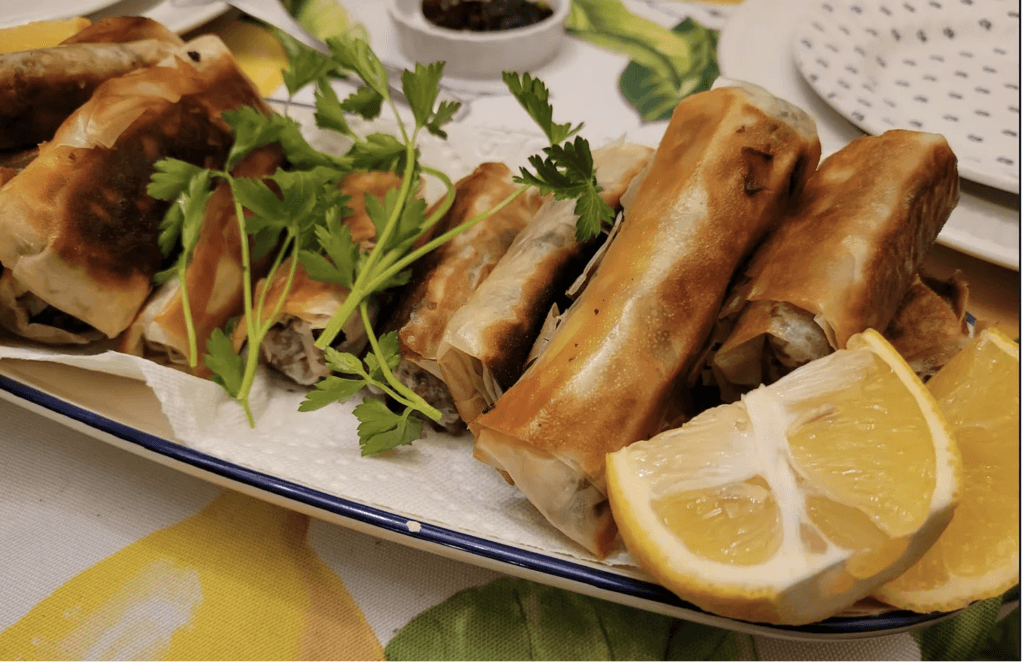
Yesterday was the first Friday of Ramadan, the month of fasting for Muslims around the world. And there are some really delicious Mediterranean dishes shared…
Some links in this post are affiliate. I may earn a commission from purchases made through these link, at no cost to you as a…

Çoban Salata (Cho-ban Suh-la-ta), also known as Turkish Shepherd’s salad is by far the most well-known Turkish salad outside of Turkiye. You’ll find very similar…
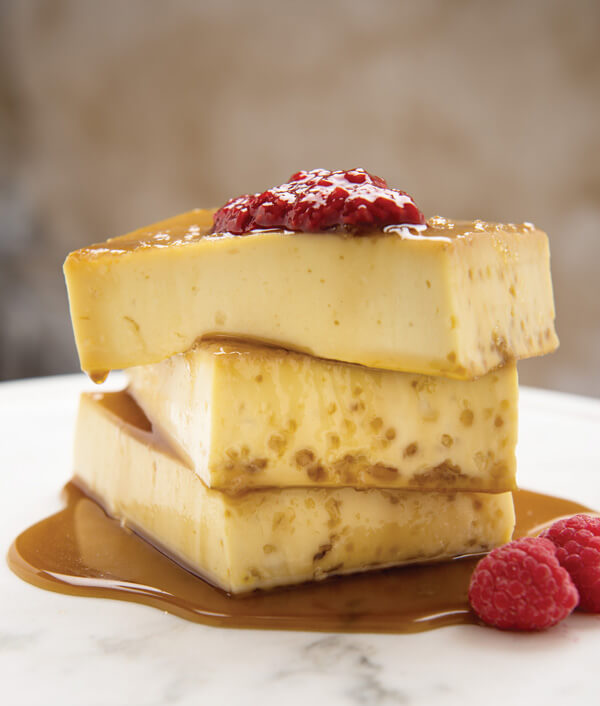
There are some really wonderful pastry and baking dishes found in French, Italian, Latin, Asian and American cuisine that call for alcohol and liquors, so…
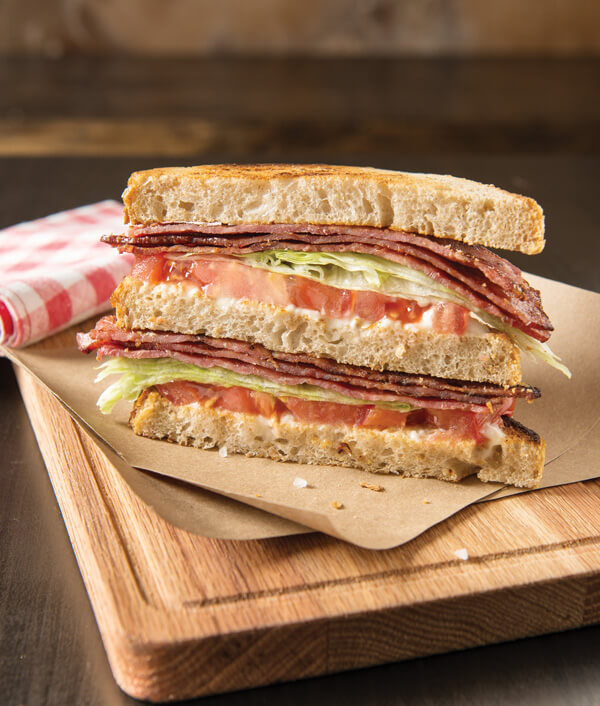
So many people end up avoiding restaurants, recipes and other great family meals because they’re often times unaware of the ways around consuming pork and…

Above is my list that you can print out as a chart and use it for dishes that call for a variety of alcoholic beverages…
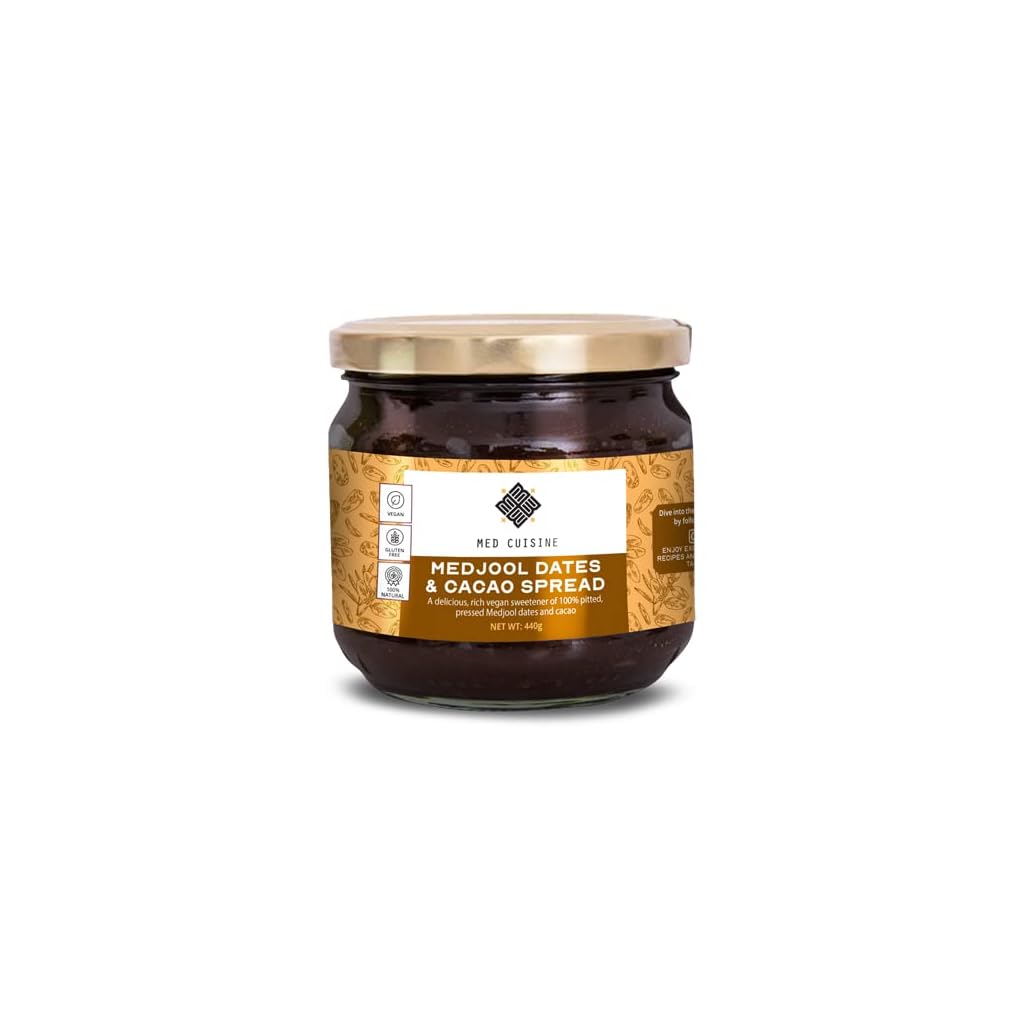
There are so many date companies to choose from, but I tend towards those that I have a deep familiarity with and can really understand…
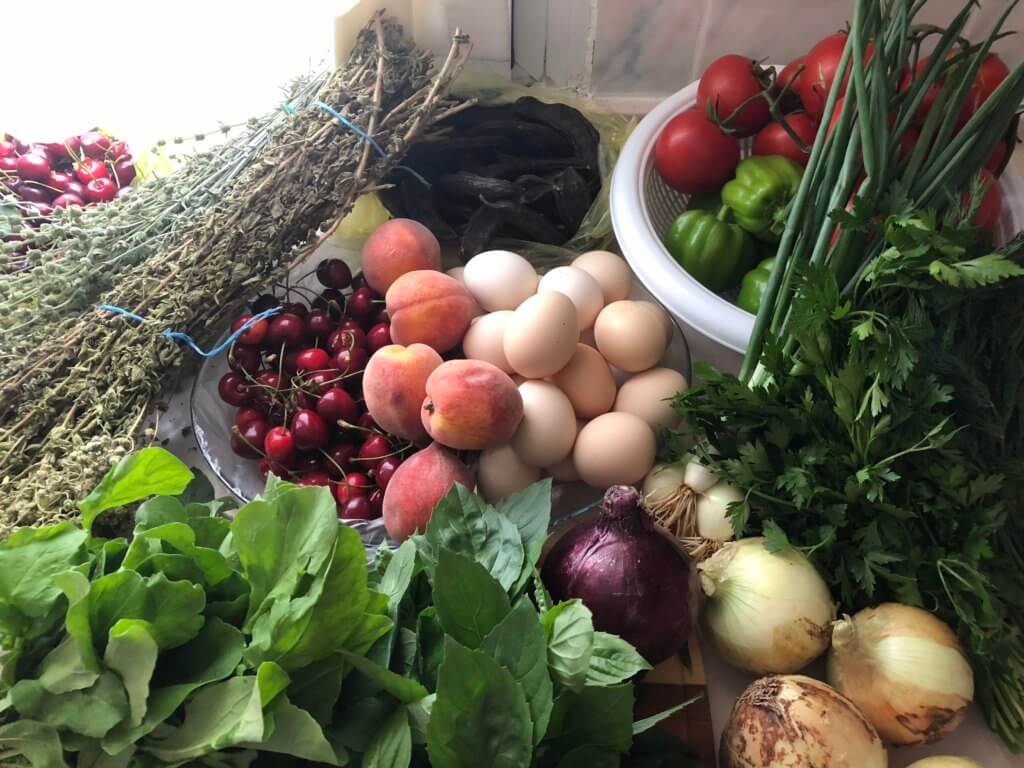
update: I wrote this at the start of the covid-19 pandemic, but I think it’s just as relevant now than it was then, considering the…
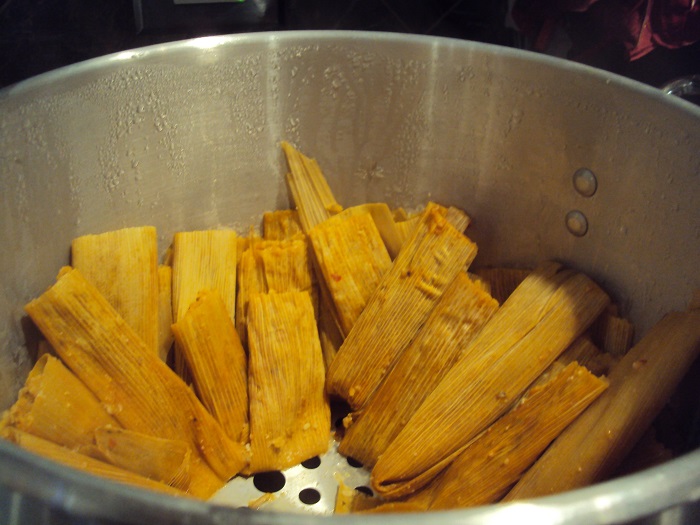
Steaming is universally known as a healthy method of cooking because little fat, if any, is needed in the process. One of the oldest known…
If there’s one ingredient that says “Moroccan cooking” it’s preserved lemons. They’re smaller than most lemons found in the U.S. and also sweeter. Traditionally preserved…
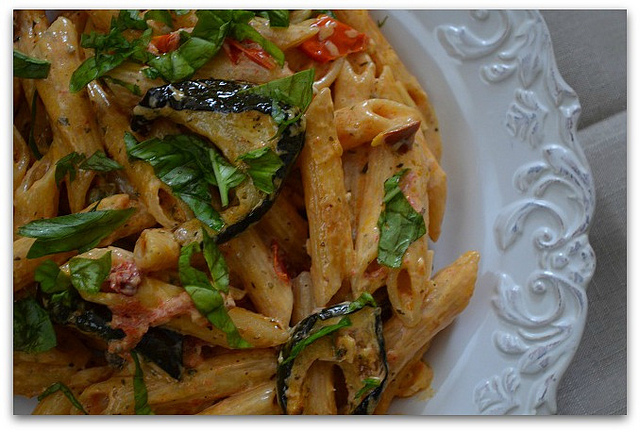
A day in the life of recipe testing goes a lot like this: Creamy Pasta with Roasted Vegetables

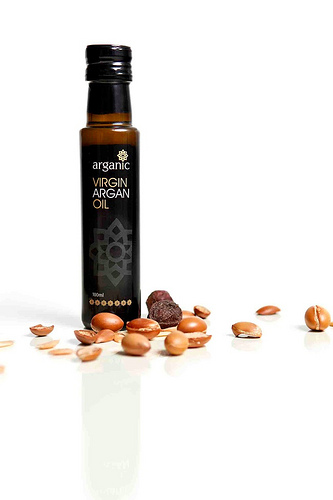
Have you ever tried argan oil? It is some really amazing stuff that is great for cooking as well as making yourself beautiful on a…

Appetizer aren’t just for entertaining guests. I’ve come to learn that keeping homemade appetizers around my house is a great way to eat healthy by…

I finally had some free time on my hands to work on a few projects on my ‘someday’ list. Since moving recently, I really wanted…
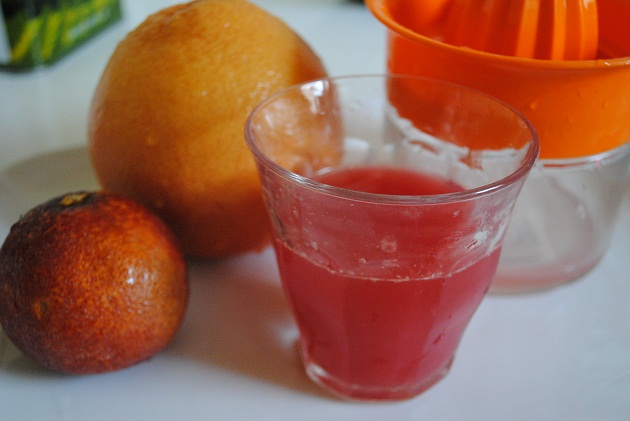
One of the ways I try improve my overall health is by making fresh juice most mornings and sometimes again later in the evenings for a…
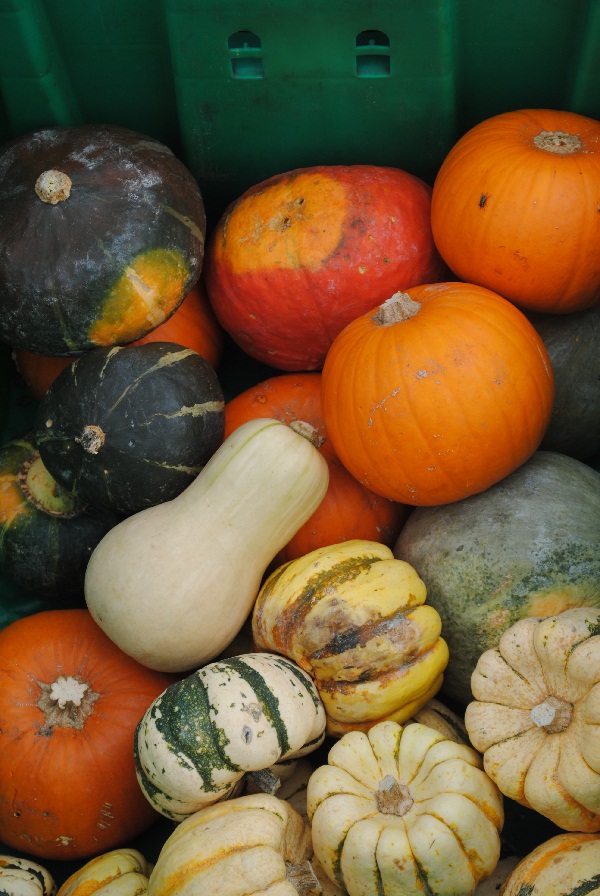
Saturday was a crisp fall morning perfect for heading out to any farmers’ market, even if just to take a look at all of the…

Whether you have tons of lemons and limes around or just a few, it’s easy to preserve the outer skin, or zest, for future use…
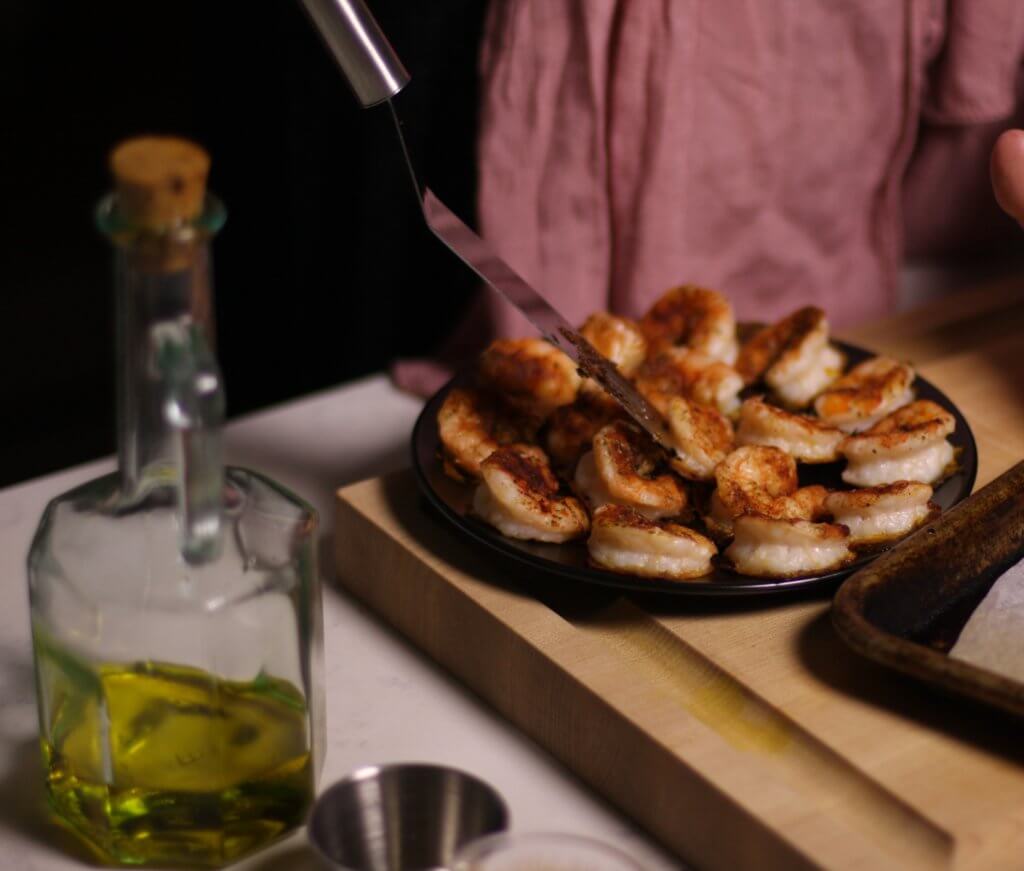
This is a great appetizer or party dish for weekend gatherings, Iftar during Ramadan, or even Eid. Or, just make it for yourself and family,…
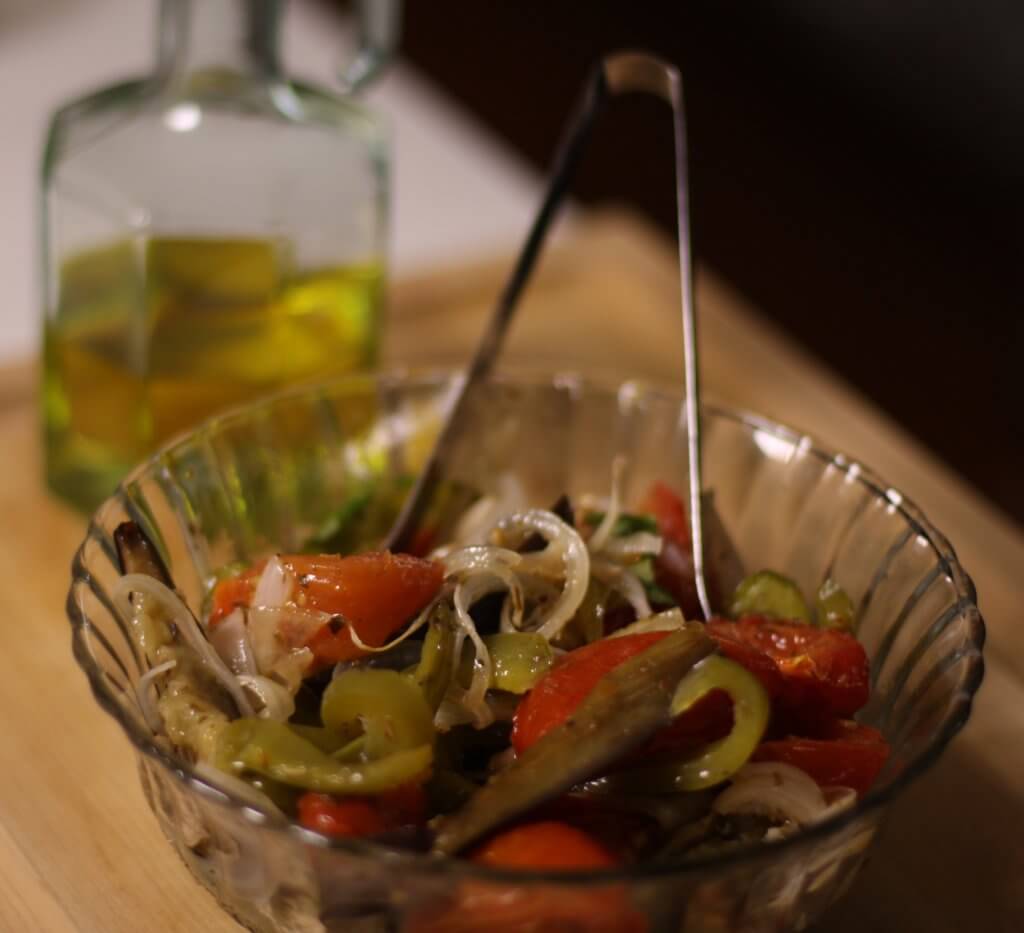
When you have a plethora of vegetables, there are only so many things you can do with them without getting tired of the same old…
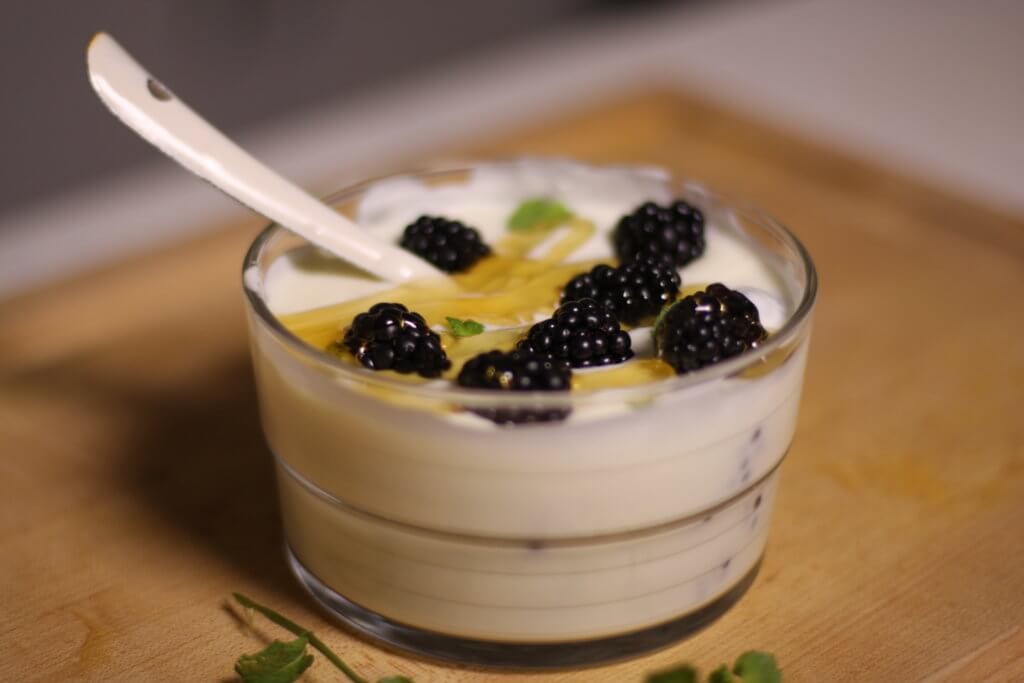
This is more of a suggestion than a recipe, as you really only need a few ingredients and they are variable. Good quality yogurt, delicious…
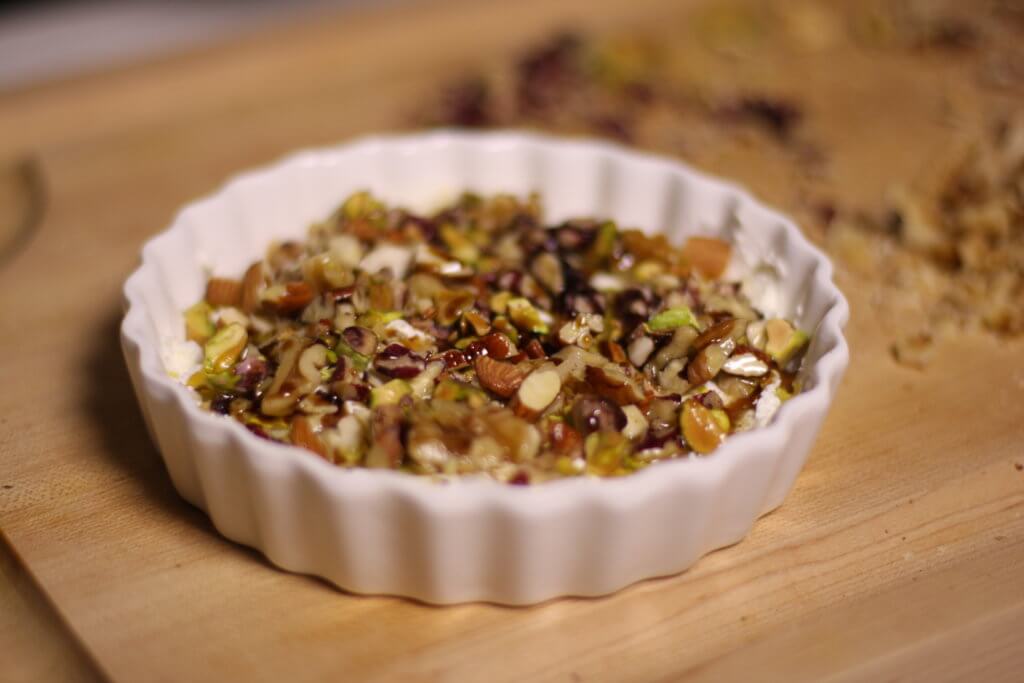
I’m always on the lookout for quick and easy recipes for when I entertain- something healthy and that utilizes much of what I already have…

If you love coffee and ice cream, this quick dessert recipe is for you. Affogato is an Italian word for the super delicious coffee drink with ice…
Most of you know how much I absolutely love plants and all things about growing and gardening, whether it be on a balcony or in…
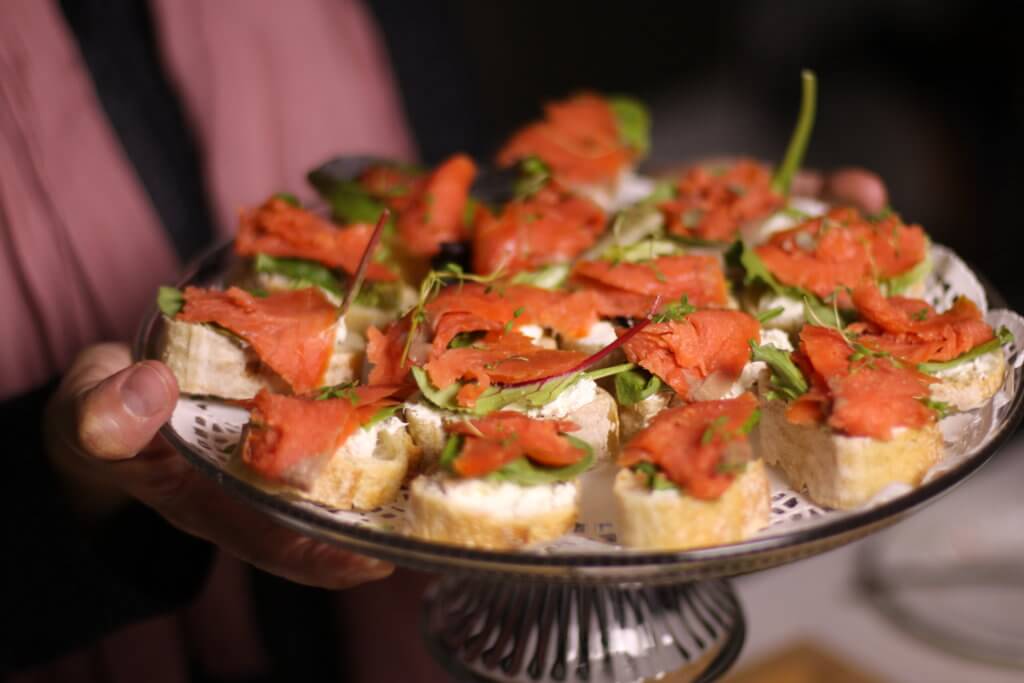
This is such a tasty, elegant and rather quick recipe to make for a party in any season, really. I’ve made them for Ramadan Iftar…
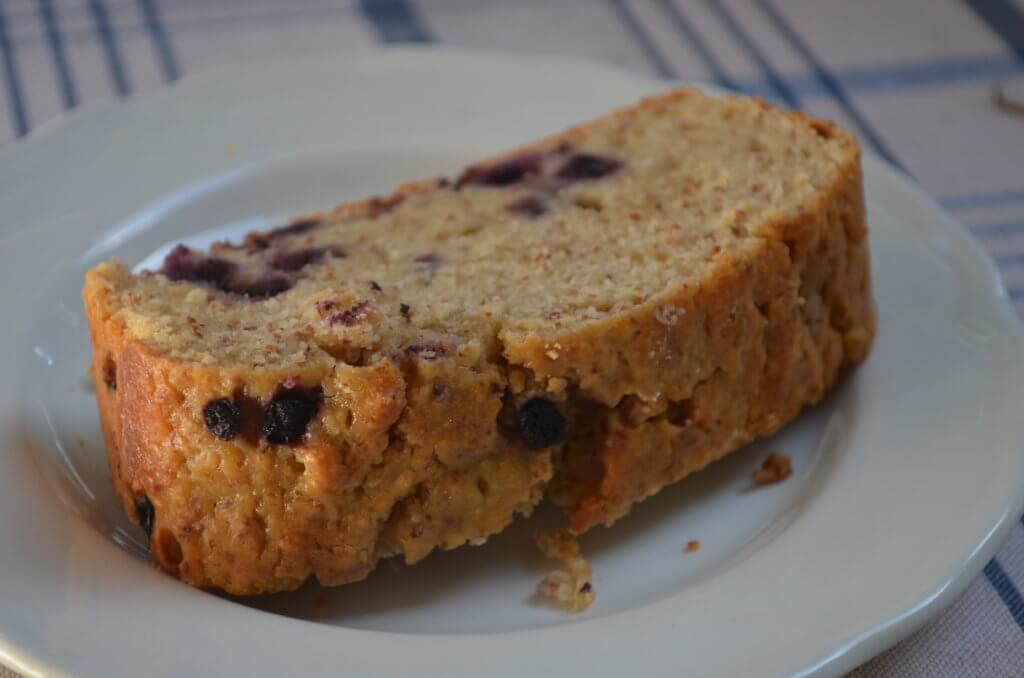
There are days, even in the summer, when I crave to bake something. It’s not because I’m craving something sweet, but it’s because I’m craving…

In this video, I interview Mamadou Ndiaye who talks about his journey from Senegal to France and then to Malaysia as he embarks on a…

Just before Ramadan I interviewed Martin Herbrich of Blue Angel Farm. He created a company that provides Halal supplements with fantastic Halal ingredients, particularly with…

